

Women’s Wellness After 40: A System for Body, Mind & Goals
When most women reach their forties, it feels as if an automatic switch flips. Fatigue sets in, aches appear, society whispers that decline has begun. But what doctors and the societal norms of the Middle East often fail to say is that women’s wellness after forty is not about decline. It is about rebirth.
This guide is for every woman in the MENA region who has been told her best years are behind her. They are not. Here is what is actually happening, and what you can do about it.
What Changes in Your Forties?
A person’s well-being is a holistic system that includes movement, nutrition, mental health, and purpose. For women after forty, this system enters a new phase. The psychological strength that once nurtured children now becomes a broader power. You begin to navigate society from a fully formed, feminine perspective.

Your body does not weaken; it redefines strength. The hormonal shifts you experience, like changes in estrogen and progesterone levels, are not random malfunctions; they are your body transitioning out of the reproductive years and into a new stage of life. In the West, this is called perimenopause; in our region, it is rarely discussed openly, yet nearly every woman experiences it.
The Three Pillars of Women’s Wellness After 40
True women’s wellness is not one habit; it is an integrated system of how you move, how you feel, and how you build a life that fits who you are now. When one pillar weakens, the entire structure feels it. You do not want to look great on the outside but feel destroyed on the inside, because your inner state reflects outward into every relationship, decision, and boundary you hold.
After forty, most women experience significant physical and mental changes. These are often labeled simply as “hormonal changes,” but they represent something larger. Your body is replacing the caregiving intensity of earlier years with a more mature, sustainable approach to life; your emotions that once fed and protected children now fuel a more rational, conscious, and powerful presence.
Forty is not a delay. It is an opportunity to let the world you began building at a younger age mature alongside you.1 Here are the three pillars that hold this new phase together:
1. Movement and Physical Wellness
Movement after forty is mainly about building strength for the years ahead. Among the many different activities going on trend every day, the right activity is the one you can sustain with consistency and joy. Many women feel pressure to compete with younger bodies to prove their worth, but feeling whole from the inside is not about how you look; it is about how you feel in your life.
True physical wellness after forty starts with body awareness.
- Notice your energy fluctuations.
- Track how sleep affects your strength.
- Understand that the connection between your physical body and your emotional state is not abstract; it is biological.
Society places enormous pressure on women to maintain a sculpted physique. The message is clear: no belly, no hips, no softness; after forty, this pressure becomes a burden, and a dangerous one. A woman’s body processes stress, nutrition, and movement differently at this stage than it did in her twenties, and differently than a man’s body. Obsessing over shape ignores the reality of what your body is actually doing: rebuilding.
2. Psychological, Neurological, and Mental Well-being
Many people say women become “moody” or “incomprehensible” after forty. In my yoga practice, I have heard this label used to dismiss real neurological changes. The truth is simpler: most women in their forties are navigating perimenopause, a transition that can last more than ten years; this is actually a physical and psychological stage of life.
After forty, our emotions and thoughts are our identity; the voice with which we speak to the world. But they are a burden too if we do not pay attention. Mental wellness at this age means protecting your peace deliberately. It means recognizing that anxiety, brain fog, and emotional waves have biological roots. They are not character flaws.
Read the guide to Emotional Resilience After 40
3. Career, Money & Purpose
This pillar is complex in Middle Eastern culture; a woman’s path is often predetermined. Society expects her to play one role in her twenties, another in her thirties, and so on. We forget that the roles a woman chooses should stem from inner peace and conviction, not external expectation.
Whether built through work, financial security, meaning, or all three, these elements are deeply linked to women’s wellness, especially after forty. A woman who feels powerless in her career or uncertain about her finances carries that stress in her body. It shows up as tension, poor sleep, emotional exhaustion, and loss of meaning.
Forty is not too late to pivot. It is not too late to start a business, to demand a raise, or to redefine what success looks like. Your experience is not obsolete; it is leverage. For more details, refer to the series about the connection between career, money, meaning, and Well-being.
Does Your Product/Service Relate to Women’s Wellness?
Tell me about your project, and I will tell you how we can reach the right audience.
Women’s Wellness: Between Modernization and Optimal Interaction
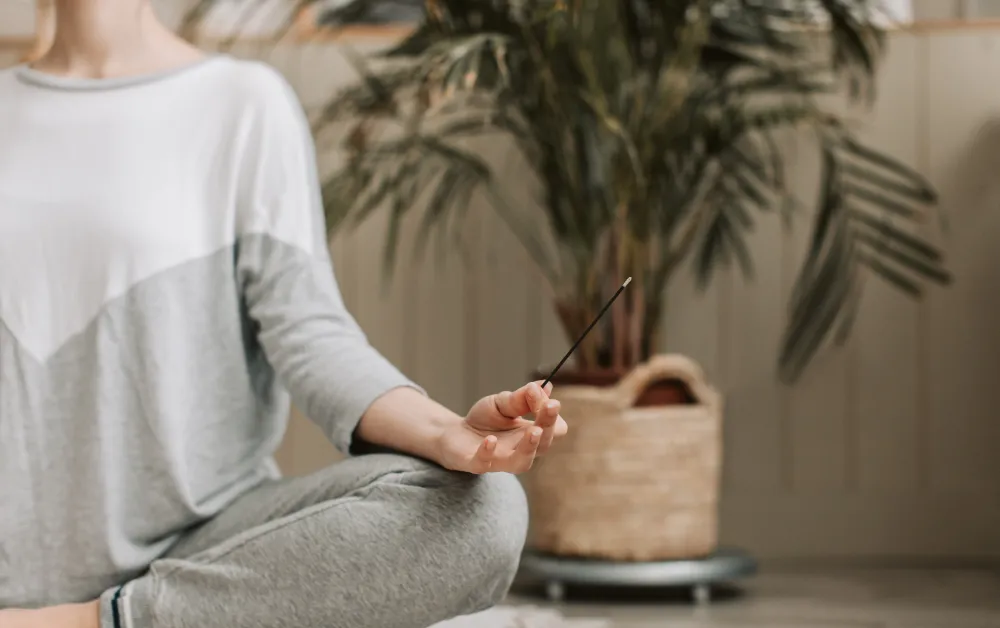
For too long, women’s wellness over 40 has been sold as a repair manual, promising to fix hormones, flatten bellies, and rewind the clock through sheer discipline. Wellness is not about the external factors around you; it is about your awareness of how those factors affect your inner self. Women’s wellness is an internal decision to adopt a certain mindset that becomes behaviors and habits to improve your inner perception of what you experience each day.
Modern life in the MENA region pulls women in many directions: family obligations, professional demands, cultural expectations, and the silent pressure to remain young. Optimal interaction with modern life means choosing which demands deserve your energy and which do not.
You are not required to participate in every expectation. You are required to protect your system.
Conclusion
Women’s wellness after forty is not a repair project; it is a return to yourself. The body you have now holds every experience that shaped you (the births, the losses, the quiet strength you built without applause). You do not need to fix it. You need to understand it.
Start with one movement that feels like yours. One step toward work that values your experience. When your physical, mental, and purposeful energies align, your wellness becomes a system that sustains you. Your forties are not a deadline; they are a new language. Learn it.
Frequently Asked Questions
Is perimenopause the same as menopause?
No. Perimenopause is the transition period before menopause. It can begin in your late thirties or forties and last several years. Menopause is officially diagnosed after twelve consecutive months without a menstrual period.
Can I start exercising after forty if I have never been active?
Yes. In fact, starting strength training after forty is one of the most effective ways to protect bone density and metabolic health. The key is to start gradually and focus on consistency, not intensity.
How is women’s wellness different in the MENA region?
Culturally, women in the MENA region often carry layered expectations: family, career, and social roles that overlap constantly. Wellness here requires not just physical care, but also cultural navigation. Setting boundaries and prioritizing self-care can feel radical in collectivist societies. That is why the conversation must be localized, not imported.
